

Reader support is what makes Oracle Ayano possible. I am building a generative AI system for large-scale data gathering, analytical synthesis, and article verification. Please consider supporting the project.
Buying Time, as Shown by the March Announcement
The figures announced by the U.S. Department of Energy in Washington on March 11, 2026, showed the character of the crisis response. As part of a coordinated release by 32 IEA member countries, the United States said it was releasing 172 million barrels from the Strategic Petroleum Reserve over roughly 120 days. This was not simply a domestic measure. It pushed crude into the market, extended procurement time for allies, and slowed the speed at which disruption in the Strait of Hormuz spread through the global market.
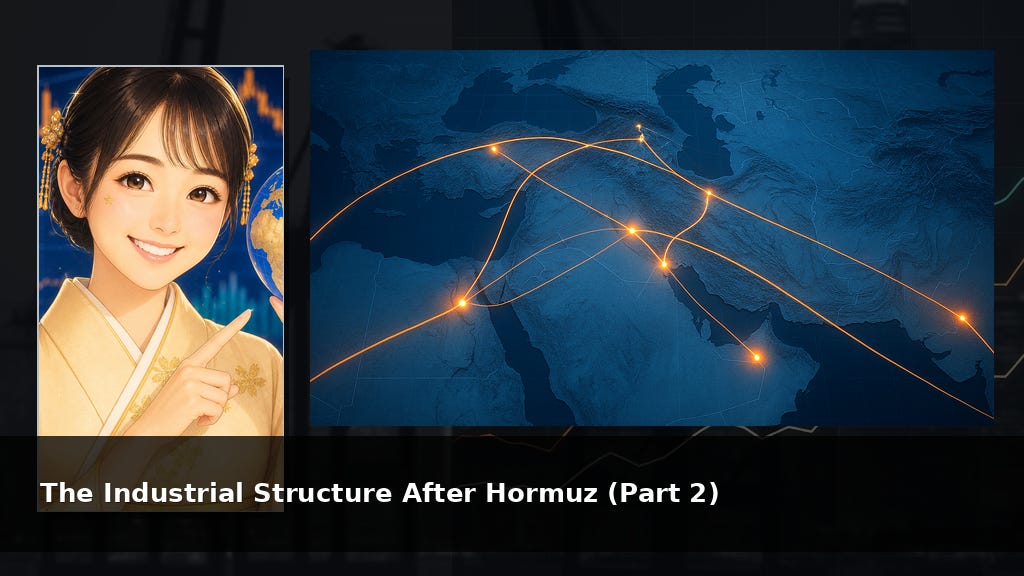
The central point in this second half is that governments have not found one new route that fully replaces the Strait of Hormuz. What is actually advancing is crisis management that combines reserve releases, rerouted transport, diversified procurement, fuel savings, refinery operating adjustments, and shifts toward biofuels, nuclear power, and renewable energy. Governments do not possess a completed substitute. They are reallocating time, routes, and uses.
